
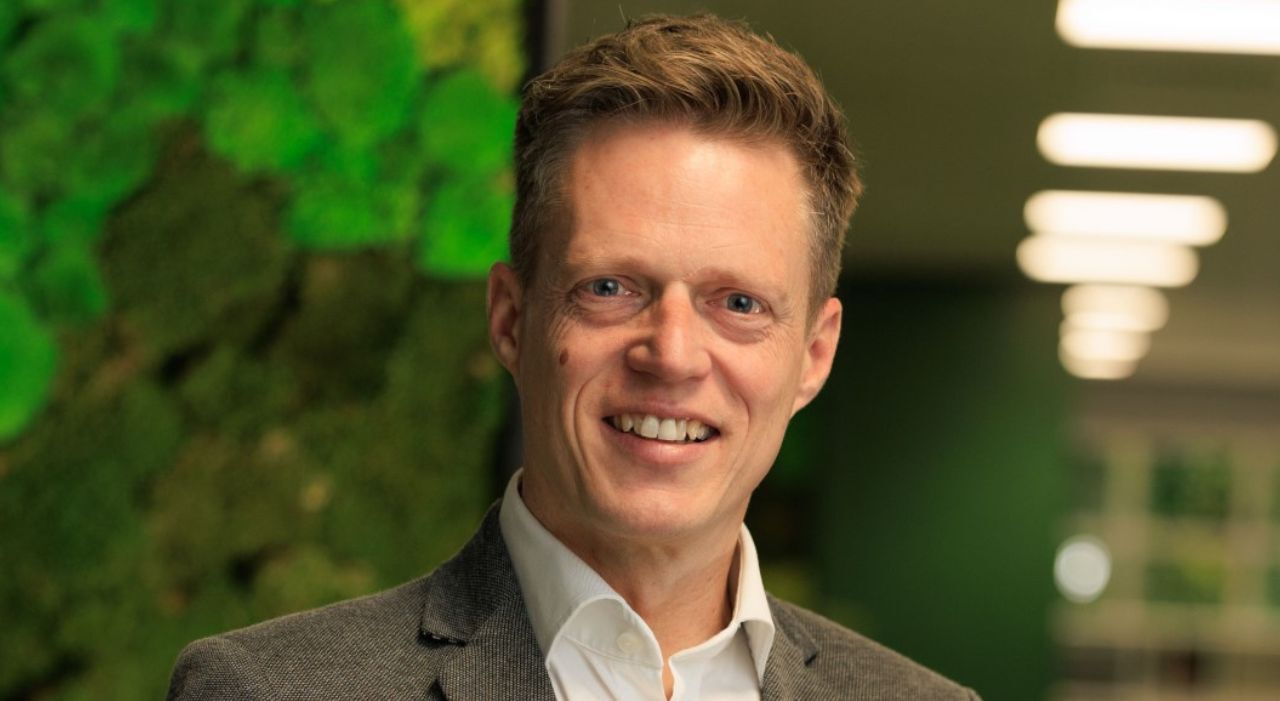
James Saunders, chief people officer at Wates Group, spoke to Construction Management about how the battle for the best talent in construction is stronger than ever.
When reviewing a CV or meeting candidates, what traits or behaviours make someone stand out immediately?
For me, it’s all about impact. A CV that goes beyond listing responsibilities and actually shows measurable achievements really grabs attention because it tells us the candidate can deliver results.
Flexibility is another big one. People who can solve problems and adapt quickly demonstrate curiosity and a willingness to learn – qualities that matter hugely in our industry.
Teamwork is non-negotiable; construction is all about collaboration, so evidence of working well with others is essential. And finally, passion. When someone genuinely cares about what they do and their values align with ours, that makes a lasting impression.

Does a candidate’s membership with a professional body make a difference? Why?
It can, yes – but it’s not the only factor. Membership often signals that someone values ethics, compliance and best practice within their field. It also shows they’re proactive about staying current and improving their skills.
That said, we weigh practical experience, cultural fit and adaptability just as heavily. Those things often make the real difference day to day.
What’s your view on candidates who have followed non-traditional routes into construction – career changers or ex-Armed Forces, for example?
I’m very positive about these candidates because they bring so much to the table.
People from different backgrounds often bring transferable skills, such as leadership, resilience and problem solving, which are invaluable on complex projects.
Making a big career change or transitioning from the Armed Forces shows adaptability and a willingness to learn, which are traits we value highly.
Many non-traditional candidates, especially those from the military, demonstrate exceptional discipline, reliability and a commitment to high standards – qualities that align perfectly with our industry’s demands.
And finally, diversity of thought matters. Different experiences spark innovation and help us challenge assumptions, which strengthens our business.
What are the most difficult roles to recruit for at the moment? Why do you think that is?
Right now, quantity surveyors and design managers are the toughest roles to fill, because demand is high and supply is low, and we’re competing with other big names in the sector.
Operational site roles can also be challenging, particularly in remote locations where labour shortages and salary competitiveness come into play.
Then there are specialist roles in areas such as renewables, sustainability, health and safety, and energy. These candidates are often happy where they are, and competition for the few who are open to moving is fierce.

What evidence of ‘work readiness’ do you like to see from graduates or apprentices?
For graduates and apprentices, it’s less about technical knowledge and more about mindset. Reliability and professionalism are key – simple things like punctuality, preparedness and clear communication go a long way.
Hands-on experience through internships, site visits or project work shows they understand the realities of construction. Teamwork and communication skills are essential because construction is collaborative.
And finally, a willingness to learn is critical. Technical skills can be taught, but curiosity and adaptability are priceless.
Looking ahead three to five years, what new roles or capabilities do you expect to emerge in your business, or the wider sector, that candidates should be preparing for?
Digital integration and automation will continue to grow, and sustainability will remain a huge focus.
For leadership roles, we’ll need people who can manage complex logistics and drive performance through positive culture change. Problem solving, collaboration and adaptability will always be critical.

What’s great about Wates as an employer?
The impact we have in the UK is something I’m really proud of. Our purpose – reimagining places for people to thrive – isn’t just words; it’s something our teams live every day. Since joining the company in May 2025, I’ve seen first hand that our people make Wates a great place to work.
We offer a wide range of career opportunities across five businesses, as well as our central functions, which means real variety for learning and growth. We invest heavily in learning and development because we want thriving people. And we’re committed to building a workforce that reflects UK society.
It’s not always easy in roles that require physical presence, but we’re pushing for better – from sector-leading family leave policies to being one of the first construction companies to support flexible working, even on site.